
Nissan Skyline R33 Portal
The R33 spent about 25 years as the punchline of the Skyline family, the fat one nobody wanted. That reputation is rubbish, and the money is finally catching on. The GT-R version was the first production car to crack 8 minutes around the Nürburgring, and the turbo car sitting under all the GT-R hype is one of the best-value RB cars you can still buy. Here is the whole R33 range sorted out, from the taxi-spec base car up to Godzilla, so you know exactly what you are looking at before you hand over the cash.
How to read an R33 code
The chassis code tells you most of the story if you know the letters. The first letter is the engine: H = RB20, E = RB25, B = the GT-R's RB26. The second letter is steering and drive: nothing = plain rear-drive, C = Super HICAS four-wheel steer, N = HICAS plus ATTESA four-wheel-drive. What the code does not tell you is whether it is turbo. For that you read the trim badge: a “t” on the end (GTS25t) means turbo, no “t” means it breathes on its own. That one letter trips up more buyers than anything else on the car.
The range, bottom to top
HR33: the GTS (base six)
The bottom rung is the HR33. That H means an RB20E underneath, a 2.0 single-cam with no turbo making about 130 horses. It is the commuter-spec car. Nothing wrong with it and it will happily get you to work, but it is not the reason people fall for Skylines. If someone is waving a “cheap Skyline” at you and it turns out to be an HR33 GTS, know what you are buying: a heavy shell with a small naturally aspirated engine. Fine as a project base, ordinary as a driver.
ER33: the GTS25 (the smooth NA 2.5)
Step up to the ER33 and you get the RB25DE, the same 2.5 block as the turbo car but the naturally aspirated version, twin-cam, about 190 horses. It sits between the base car and the boosted one. If you want the bigger, smoother six and you are not chasing boost, it is a genuinely lovely cruiser and it lands cheaper than the turbo. Just be clear you are buying the DE, not the “t.”
ECR33: the GTS25t Type M (the one most people should buy)
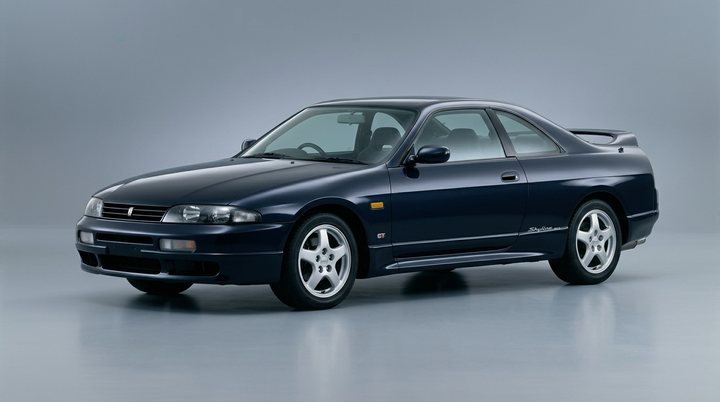
This is the sweet spot and I will happily argue it all day. The ECR33 GTS25t runs the RB25DET, 2.5 twin-cam turbo, 250 horses from the factory, driving the rear wheels only. It is the R33 that feels like a proper Skyline without the GT-R cost of entry. Our registry has around 57,900 built (40,060 early, 17,824 late), so there are enough of them that you can afford to be fussy, and parts are everywhere. The kicker: it came with the RS5R30A gearbox, the one everyone calls the “big box.” That is the strong RB25 five-speed people actively swap into their weaker RB20 cars. You are starting with the good box instead of the one you have to bin.
ENR33: the GTS-4 (the badge that fools people)
Here is where the badge lies. GTS-4 sounds like it should be the almost-GT-R, the hot one. It is not. The ENR33 GTS-4 runs the RB25DE, the naturally aspirated 2.5, through ATTESA four-wheel-drive. So you get the clever all-wheel-drive hardware off the GT-R but with the NA engine, no factory turbo. It is also the rarest of the mainstream R33s, only about 7,142 in our data (6,277 early, 865 late). Brilliant in the wet and noticeably heavier than the rear-drive cars. It is also slower than the badge makes it sound. Do not pay turbo money for one thinking the “4” means fast. The “4” only ever meant four-wheel-drive.
BCNR33: the GT-R
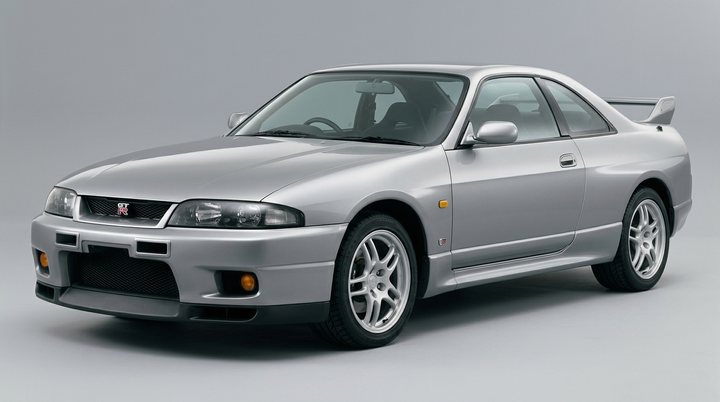
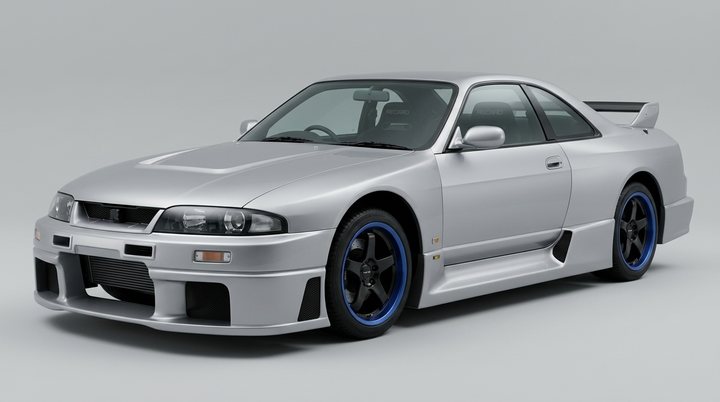
Top of the tree is the BCNR33, the real GT-R: twin-turbo RB26DETT, ATTESA E-TS all-wheel-drive, the Nürburgring car, roughly 16,500 built across the whole run. That is the machine this registry was built around, and it has its own full VIN tables, colours and special-model data below, right through to the V-Spec, the N1, the LM and the Nismo 400R.
| Code | Trim | Engine | Aspiration | Drive | Power | Gearbox | Built* |
|---|---|---|---|---|---|---|---|
| HR33 | GTS | RB20E | NA | RWD | ~130ps | 5-spd (light) | · |
| ER33 | GTS25 | RB25DE | NA | RWD | ~190ps | RS5R30A “big box” | · |
| ECR33 | GTS25t Type M | RB25DET | Turbo | RWD | 250ps | RS5R30A “big box” | ~57,900 |
| ENR33 | GTS-4 | RB25DE | NA | AWD (ATTESA) | ~190ps | 5-spd | ~7,140 |
| BCNR33 | GT-R | RB26DETT | Twin-turbo | AWD (E-TS) | 280ps | FS5R30A 5-spd | ~16,500 |
*Build counts are from our own recompiled production registry (early + late series where split). GT-R figure is the widely-cited whole-run total.
Series 1, “Series 1.5” and Series 2, sorted properly
The S1 versus S2 argument gets messy because two different things changed at two different times, and everyone smooshes them into one. There was a running change to the engine in January 1995, and then the body facelift a full year later in January 1996. Get those two dates straight and the whole thing untangles.
First, the two ways people say “Series.” There is the body way: Series 1 is the pre-facelift car (model code ECR33-0), Series 2 is the 1996 facelift (ECR33-1). Then there is our own registry, which splits the run into VIN blocks, because Nissan restarted the VIN counter every time it made a running change. Those two systems line up cleanly. Registry Series 1 and 1.5 are both the pre-facelift body. Series 2 and 2.5 are both the facelift.
So what actually is “Series 1.5”? It is not a Nissan name, it is ours. In our data it is a specific batch, VINs ECR33-050101 to 063435, built January to November 1995, still wearing the pre-facelift body. It is a mid-life running change, not a separate car. And the thing that changed in that batch is the ignition.
The January 1995 change (the real “1.5”): ignition. The early cars, August 1993 to January 1995, ran a separate external ignitor, a little power-transistor box, feeding plain coils. From January 1995 that ignitor moved inside the coil packs and the external box was deleted. Here is how we know it is January 1995 and not just “sometime around the facelift.” The Nissan parts catalogue shows the ignition coil part number change from 22448-02U11 to 22448-25U00 in January 1995, and the external power-transistor part (the 22020-97E series) stops being fitted on the exact same date. That is why the “Series 2 coils” the aftermarket sells actually turn up a full year before Series 2 existed. If you are buying coils, match what your car physically has, not the series badge on the ad.
The January 1996 change: the facelift (the real Series 2). This is the body one. Slimmer headlights, fewer slats in the grille, a new front bumper with round lower fog lights, a body-colour rear panel and revised tail lights. Same kind of proof: the front bumper part number splits from 62030-15U30 to 62030-26U30 in January 1996, and the factory grade code flips from GTS25T/M to TM1 on the same date. That is the true line between ECR33-0 and ECR33-1. Series 2.5 is just the next VIN block along, from February 1997.
| Series 1 Aug 1993 to Jan 1995 | “Series 1.5” Jan to Nov 1995 | Series 2 / 2.5 Jan 1996 on | |
|---|---|---|---|
| Body | Pre-facelift | Pre-facelift, same shell | Facelift: lights, grille, front bumper, rear panel |
| Ignition | External ignitor, plain coils (22448-02U11) | Ignitor moved into the coils (22448-25U00) | Coil-integrated, as 1.5 |
| Engine / power | RB25DET, 250ps | RB25DET, 250ps | RB25DET, 250ps |
| Drivetrain | RWD, no ATTESA | RWD | RWD |
| Steering | Super HICAS (electric) | Same | Same |
| Gearbox / clutch | RS5R30A, push-type | Same | Same |
| Turbo | 14411-21U00 | Same part | Same part |
Dates and part numbers verified against the Nissan EPC parts catalogue for the ECR33. The ignition change is dated to January 1995, the body facelift to January 1996.
What people think changes but doesn’t. This is where the forums send you wrong, so here is the straight version. Power is 250ps on every GTS25t, Series 1 and Series 2 the same. The 280 figure belongs to the RB26 GT-R or the later R34 NEO engine, not this car. It stays rear-wheel-drive the whole way, with no ATTESA on any GTS25t, because that hardware lives in the GTS-4 and the GT-R. The gearbox is the RS5R30A with a push-type clutch across every series. The push-to-pull clutch swap people talk about is R33 against R34, a whole generation apart, not an R33 thing. Rear steer is Super HICAS with an electric motor on all of them, early and late, so if someone swears the R33 has the hydraulic setup they are thinking of the R32. And the turbo is one part number, 14411-21U00, over the entire run, so the “Series 2 turbo has a weaker wheel” line has nothing behind it in the catalogue.
Straight with you on what we have not locked down yet: the exact catalogue date for the crank-angle-sensor housing change (the metal-to-plastic one) and the fine detail of the interior facelift. We have the ignition and body changes pinned to the part number, and we would rather tell you what we can prove than pad it out with what the forums assume. When the sensor part number surfaces, this gets updated.
So which R33 do you actually want?
Honest answer: the ECR33 GTS25t. Turbo RB25, rear drive, the strong gearbox from the factory, and enough built that you can hold out for a clean one. Buy the best unmolested example you can find, check the usual RB oil-gallery and turbo wear, and you have got a car that is quick and tunable and, after two decades as the family embarrassment, finally getting some respect. The GT-R is the dream. The GTS25t is the one you can actually run.
Own an R33? Help us log it.
Every VIN, build plate and honest sale price makes this registry sharper for the next buyer. GTS25t, GTS-4 or GT-R, if you know one, tell us.
✉ Log your R33 on TelegramBuild Numbers and Production Dates
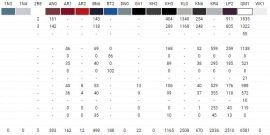 |
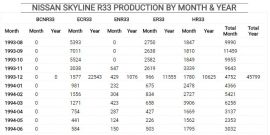 |
| R33 Build Numbers | R33 Production Dates |
VIN Tables, Option & Model Codes, VIN Ranges
 |
 |
 |
 |
 |
|
| BCNR33 VIN Table |
ECR33 VIN Table | ENR33 VIN Table | ER33 VIN Table | HR33 VIN Table | |
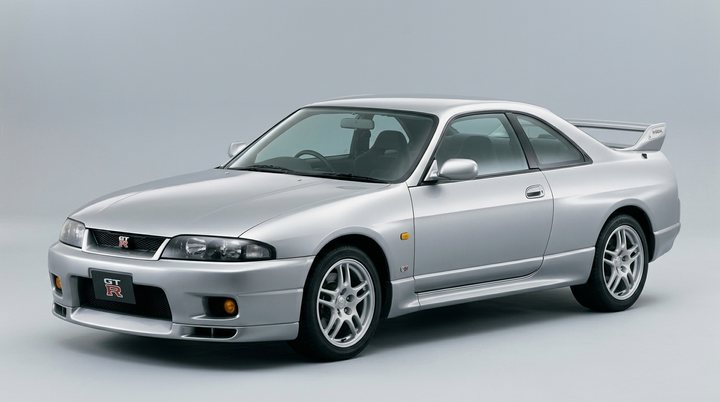
| GT-R V-Spec V-Spec N1 GT-R LM & V-Spec LM Autech Version 40th Anniv V-Spec (Great Britain) |
BCNR33 Build Numbers BCNR33 Production Dates VIN Ranges Option Codes Option Code Statistics New Prices Model Code Statistics |
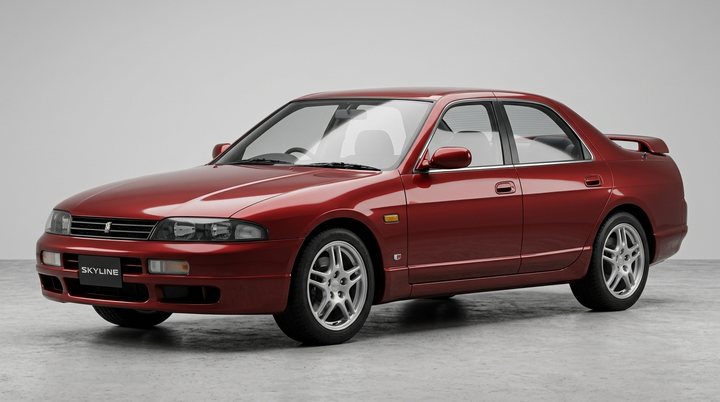
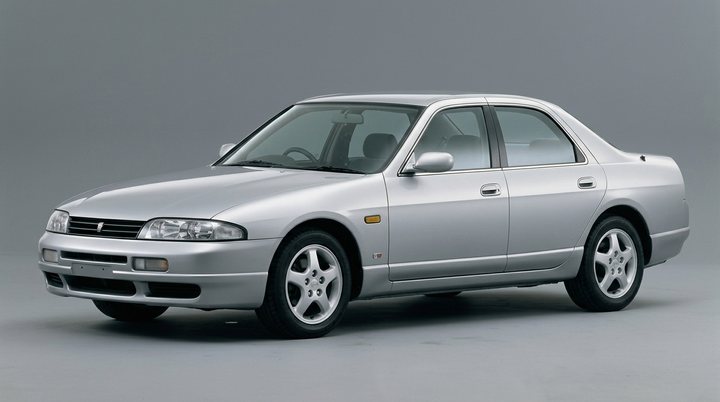
GTS25t Type M GTS25t Type M Active LSD GTS25t Type M1 4 Door GTS25t Type M2 2 Door GTS25t Type M2 4 Door GTS25t Type M 40th Anniv GTS25 Type S |
GTS-4 GTS-4 Type G GTS-4 Type X GTS-4 40th Anniversary |
GTS25 GTS25 Type G GTS25 Urban Runner S GTS25 Type S/S GTS25 Type X GTS25 Type X Limited GTS25 Type XG GTS25t Type G GTS25t Type S |
GTS GTS Type G GTS Urban Runner S GTS Type S GTS Type X GTS Type X Limited GTS Type X 40th Anniversary |
| ECR33 Build Numbers VIN Ranges Option Codes Model Code Statistics |
ENR33 Build Numbers VIN Ranges Option Codes Model Code Statistics |
ER33 Build Numbers VIN Ranges Option Codes Model Code Statistics |
HR33 Build Numbers VIN Ranges Option Codes Model Code Statistics |
||
Special Models
 |
 |
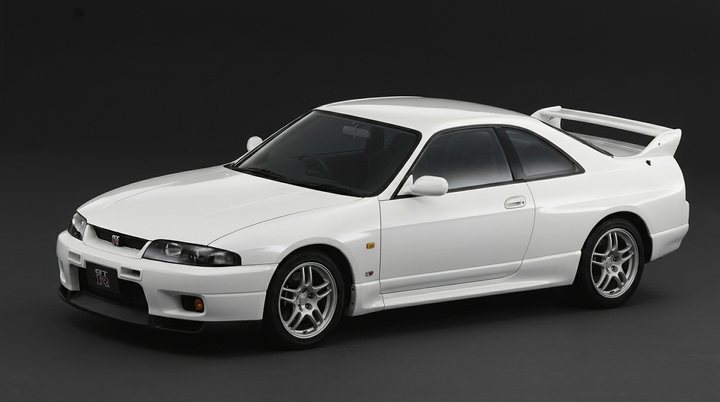 |
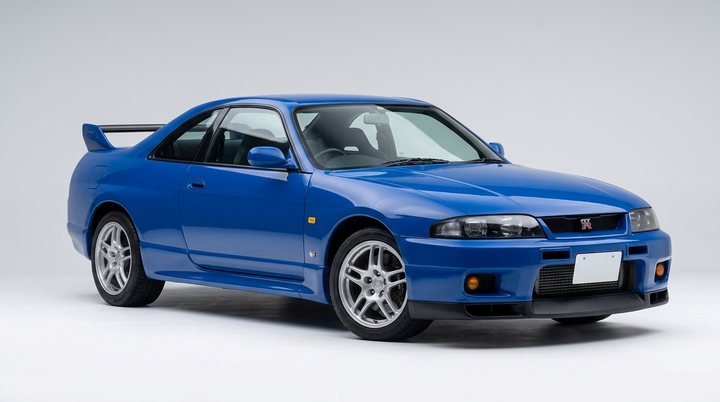
| Nismo 400R | GT-R LM + V-Spec LM | V-Spec N1 |
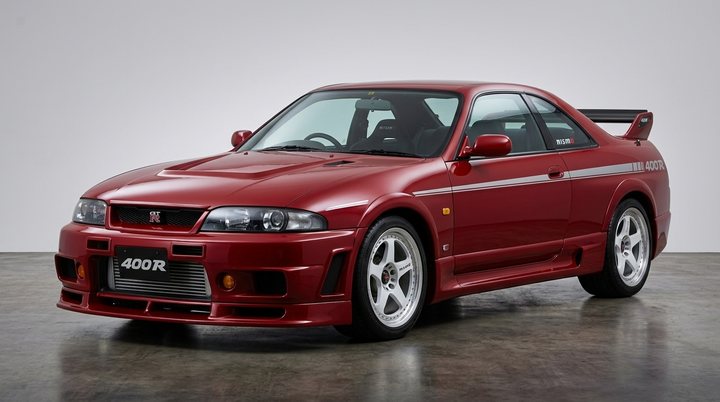
| 44* Built Official Images 400R Introduction Exterior, Interior, Engine, Chassis 400R Specification Major Equipment Major Specs Build Plate Links * There is claimed to be 44 built. |
188 Built 86 GT-R LM 102 V-Spec LM Changes from Standard VIN Plate LM Brochure Links |
86* Built 55* V-Spec N1 (Series 1) 21 V-Spec N1 (Series 2) 10 V-Spec N1 (Series 1) Official Image Changes from Standard VIN Plates V-Spec N1 Brochure * As there are some pre-production cars with unknown details that are probably also V-Spec N1 (Series 1), the exact number is unknown. |
 |
 |
 |
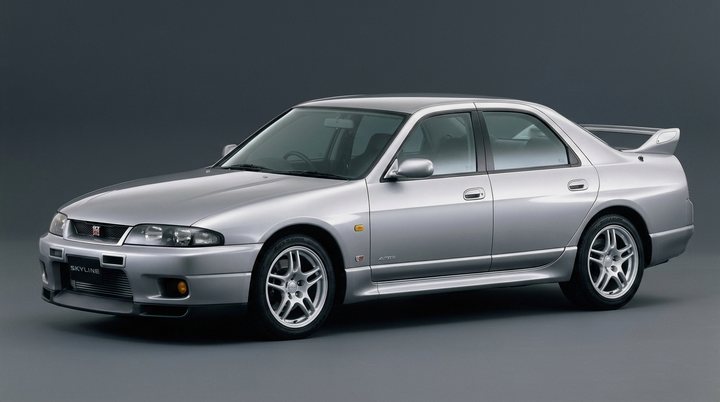
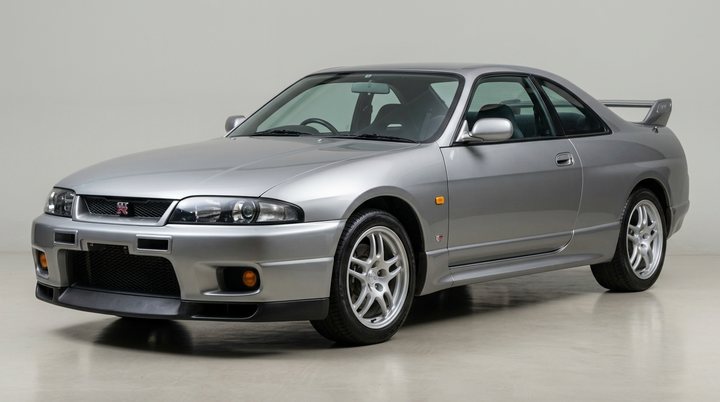
| Autech Version 40th Anniversary 4 Door Sedan | V-Spec (Great Britain) | Nismo GT-R LeMans |
| 416 Built Official Image Changes from Standard VIN Plates Skyline GT-R Autech Version 40th Anniversary Brochure |
100 Built + 3 Official Prototypes Changes for Great Britain VIN Plate Official Images Brochure #1 Brochure #2 Announcement Press Release Links & Credits |
6 Built 1 Road Car 5 Race Cars 1995 and 1996 Le Mans 24 Hour |